In the 1990s, I took the first step toward building my dream. I opened a modest 4,000-square-foot museum in Southern Utah. Although small, it marked the beginning of a lifelong journey.
Over time, my collection grew to include mammals, reptiles, and countless insects and butterflies. Fortunately, I had the privilege of working with John Bury, one of the finest entomologists in the U.S. Together, we spent four years curating a collection of 1,600 butterflies, moths, spiders, and other insects.
Each specimen was carefully labeled to help visitors appreciate the diversity and wonder of the insect world.
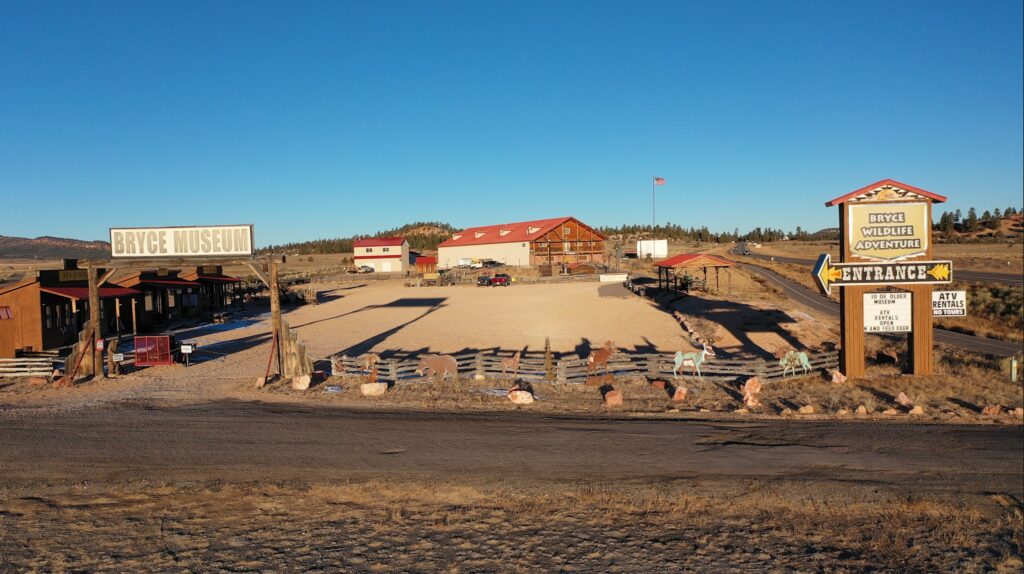
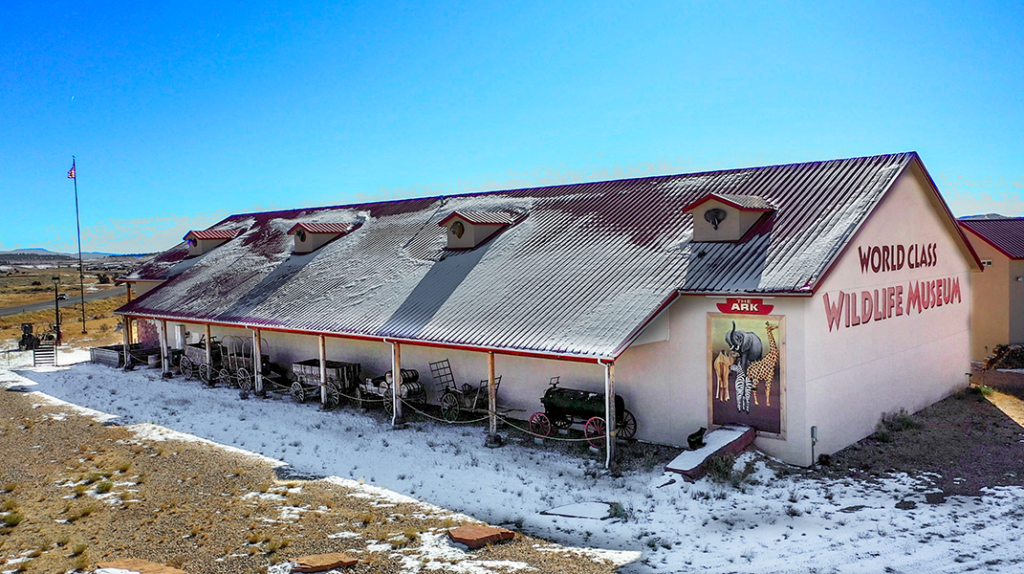
As the collection expanded, so did my vision. In 2000, I built a 16,000-square-foot museum near Bryce Canyon National Park.
This new space allowed for the creation of life-sized dioramas. These showcased animals in detailed, naturalistic habitats—complete with plants, rocks, flowers, and even animal scat.
Moreover, my friend Brian Wignall, a renowned wildlife artist, painted the murals for each scene. Known for his duck stamps and Outdoor Wildlife TV show, Brian brought every habitat vividly to life. These immersive dioramas became the museum’s centerpiece, combining education with wonder.
In addition, the museum features exhibits that connect wildlife to human culture. Native American and African artifacts reflect deep traditions of environmental respect and understanding. These displays remind us that conservation is not new—it’s a longstanding way of life.
Beyond the walls, the museum’s mission continues outdoors. On five surrounding acres, I raised fallow deer, buffalo, donkeys, ponies, and two types of sheep. Children and adults could hand-feed the animals, forming unforgettable connections with wildlife.
Over the years, I’ve welcomed visitors from around the world. Many compared the museum to the Smithsonian, a compliment that humbles and motivates me. Their kind words inspire me to continue refining and expanding the museum for future generations.
Most recently, I collaborated with Ton Schless, a talented photographer who shares my passion for conservation. Over 61 days, Ton photographed the museum’s exhibits with incredible precision and artistic insight. Together, we created this two-volume book to tell the museum’s story through image and purpose.
Ultimately, the Bryce Canyon Wildlife Conservation Museum is more than a collection—it is my life’s work. It represents a legacy I hope will inspire generations to value and protect the natural world. Conservation is not only about protecting animals. It’s about preserving the delicate balance of life on Earth.
Through this museum, I invite others to see nature’s beauty, understand its complexity, and take meaningful action.
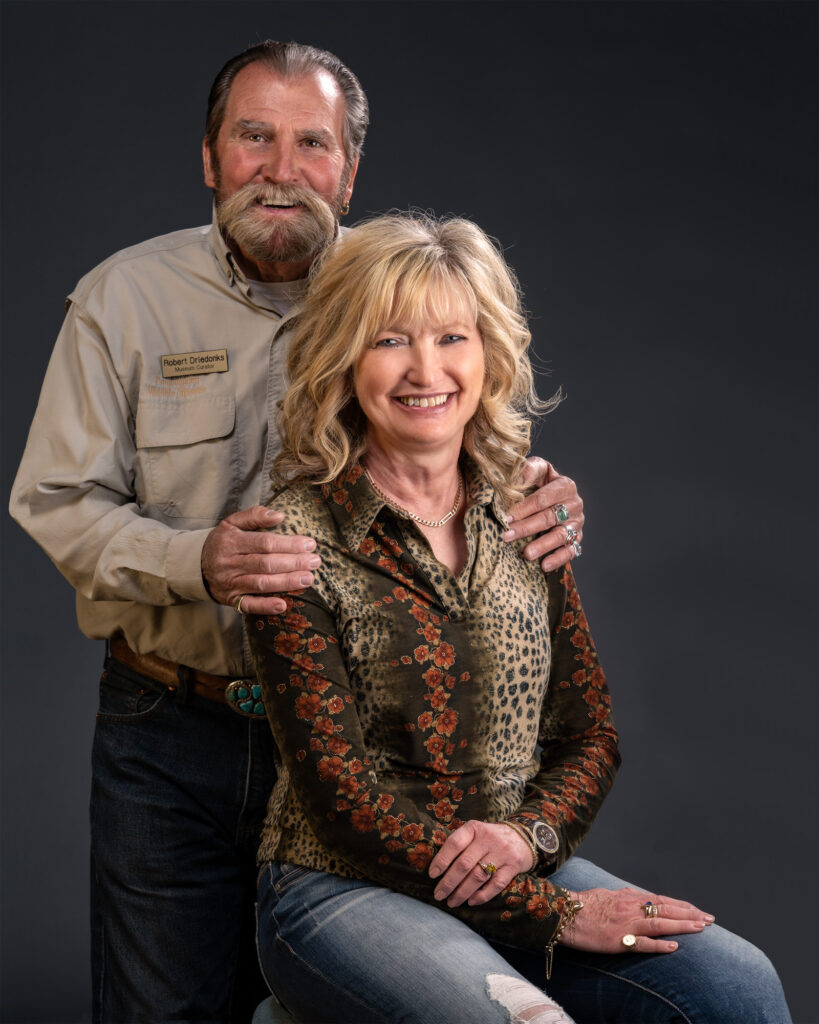
Robert Driedonks
Spring 2025